

An exclusive deal promises focus and delivers it â sometimes to you, sometimes to the supplier's own convenience. The rights are easy to sign and expensive to unwind, which makes the evaluation worth doing twice. This guide shows detection switches buyers what a distribution right is actually worth, and how to price it before signing.
A supply chain map is not a diagram for its own sake â it is the answer to 'who do I actually call when something breaks', which is the question every programme eventually asks. Mapping the chain takes days, not months, and the map pays for itself the first time something upstream moves.
As a manufacturer based in China, 温å·å ä¸çµåæéå ¬å¸ (www.zhaoyeswitch.com) supplies detection switches, tamper-proof switches, micro switches and related products to customers in more than forty markets. In this guide we explain what actually determines quality in this category, how to assess a factory before you commit, and how to build a supply relationship that holds up over years of repeat ordering.
Before you send a request for quotation, be precise about what you are buying. These are the questions that separate a professional sourcing decision from a hopeful one.
What is the production capacity and current lead time? A factory that cannot state monthly capacity in units cannot forecast reliably.
Which quality standards apply, and can they evidence compliance? Ask for IEC 61058, UL 61058 documentation rather than a verbal claim.
Is material traceability documented? Certificates of material origin prevent costly surprises.
What is the defect rate and how are returns handled? Ask for historical data, not a policy statement.
Can they customize to your market's specification? Voltage, sizing, labelling and packaging often differ by country.
What after-sales support is included? Spare parts availability and technical support determine lifetime cost.
What is the total landed cost? Freight, duty and durability matter more than FOB price.
Quality in detection switches and micro switches is the sum of four things: material selection, manufacturing precision, assembly consistency, and testing discipline. A product can look identical to a competitor and behave completely differently after six months in service if any one of these is weaker.
Material grade: the raw material must match the specification, with certificates to prove it.
Manufacturing precision: tolerances must hold across the production run, not just the sample.
Assembly consistency: repeatable processes prevent batch-to-batch variation.
Testing discipline: functional and safety testing must be routine, not exceptional.
For buyers, the practical implication is that you should evaluate capability rather than appearance. A well-equipped factory with documented processes will out-perform a low-cost workshop every time, even if the sample products look the same.
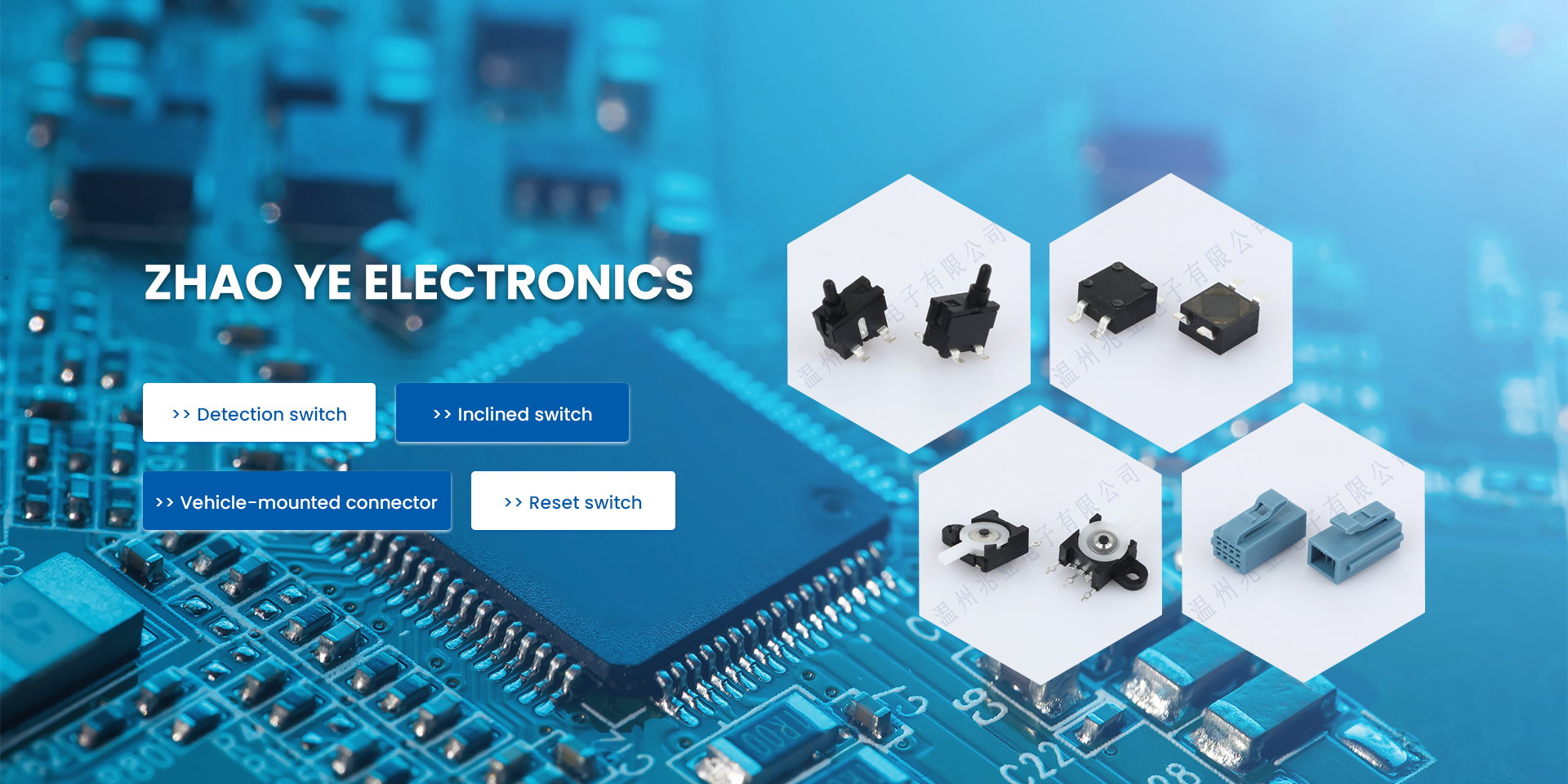
We recommend auditing five dimensions before the first paid order.
Ask for facility size, equipment list, monthly output, and the number of production lines. A factory that can describe its bottleneck process understands its own capacity. Request photos or a live video walkthrough of the production floor.
Confirm certification such as UL, CE and ask to see the internal inspection records. A genuine quality system produces documents: incoming material checks, in-process checks, and final inspection reports.
Understand where raw materials come from and how they are verified. Vertically integrated suppliers control more of the quality chain and are less exposed to sub-supplier problems.
Ask which tests are performed in-house and which are outsourced to third parties. For export markets, third-party test reports from recognised laboratories carry more weight than internal claims.
Evaluate responsiveness during the quotation stage â it is a good predictor of post-sale behaviour. Ask about spare parts availability, technical documentation, and warranty terms in writing.
Most buyers eventually want their own branding, and the best time to discuss it is before the first order. Typical customization includes product sizing, colour, labelling, packaging, and documentation.
Product customization: dimensions, capacity, voltage and configuration tailored to your market.
Branding: logo marking, silk-screen printing, embossing or laser marking.
Packaging: neutral, retail-ready or private-label cartons with your barcode and compliance text.
Documentation: user manuals and compliance statements in your market's language.
Discuss minimum order quantities for customized runs early, because decoration and tooling often set a higher MOQ than the base product.
Unit price is only one part of the equation. The lowest quote frequently carries the highest total cost once durability, freight and returns are included.
| Cost Factor | What to Compare | Hidden Risk |
|---|---|---|
| Unit price | FOB per unit | Ignoring specification differences |
| Durability | Service life | Premature failure and warranty claims |
| Freight | Volumetric weight | Light but bulky shipments cost more |
| Duty and compliance | HS code and certification | Clearance delays |
| Returns | Defect rate | Reputational damage |
| Support | Spare parts and service | Downtime for your customer |
Build a landed-cost model and negotiate on the total. Suppliers respect buyers who understand their cost drivers because it signals a long-term relationship.
The best pricing and priority allocation go to buyers who order predictably. Share a rolling forecast, place consistent orders, and give clear feedback on quality. Factories reward reliable partners with better lead times and preferential treatment when capacity is tight.
It also helps to visit the factory when practical. A single visit reveals more about capability than months of email.
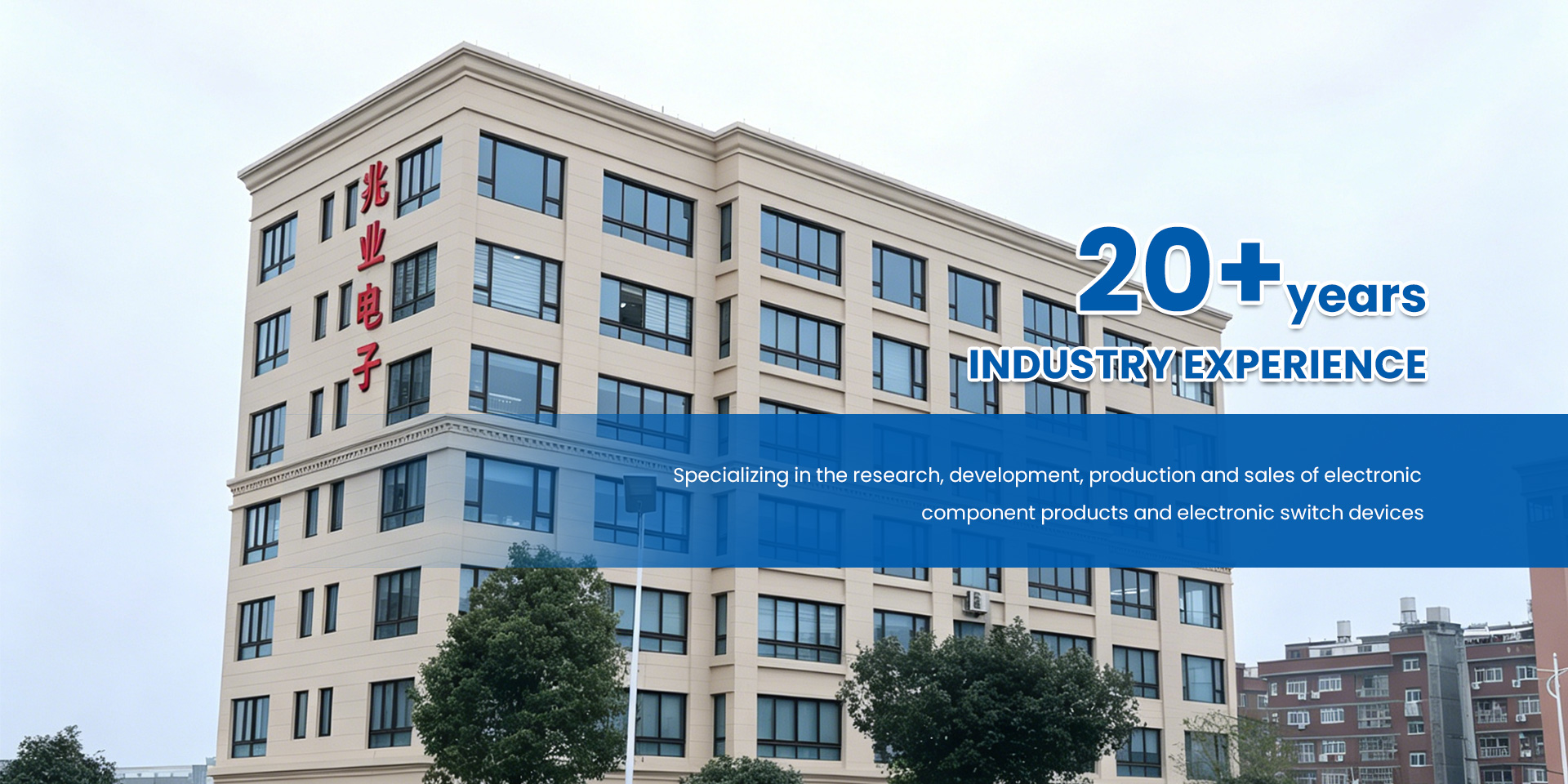
Not every supplier is the same kind of business. Understanding the model helps you choose the one that fits your needs.
| Supplier Type | Control Over Quality | Price Level | Best For | Main Risk |
|---|---|---|---|---|
| Direct factory | Highest | Competitive | Volume buyers | Higher MOQ |
| Trading company | Medium | Higher | Small or mixed orders | Less quality control |
| OEM/ODM partner | High | Competitive | Brand owners | Development time |
| Distributor | Low | Highest | Urgent small orders | Limited customization |
For most buyers building a brand or a stable catalogue, a direct factory with genuine customization capability offers the best balance of quality control, price and flexibility.
Depending on your destination market, several standards and certifications may apply to detection switches and micro switches. Confirming them early prevents costly compliance surprises.
IEC 61058: confirm the factory can supply documentation for this standard where it applies to your market.
UL 61058: confirm the factory can supply documentation for this standard where it applies to your market.
EN 61058: confirm the factory can supply documentation for this standard where it applies to your market.
RoHS: confirm the factory can supply documentation for this standard where it applies to your market.
UL: request the certificate and verify its validity and scope.
CE: request the certificate and verify its validity and scope.
RoHS: request the certificate and verify its validity and scope.
A structured process reduces risk far more than a clever negotiation.
Define your technical specification and target market requirements.
Shortlist three suppliers and request capability data and references.
Order paid samples and test them against your specification.
Audit the chosen factory against the five dimensions above.
Agree pricing, MOQ, packaging and lead times in writing.
Place a trial order and inspect the shipment on arrival.
Review performance with real customers before scaling.
Lock in capacity and lead times for the coming season.
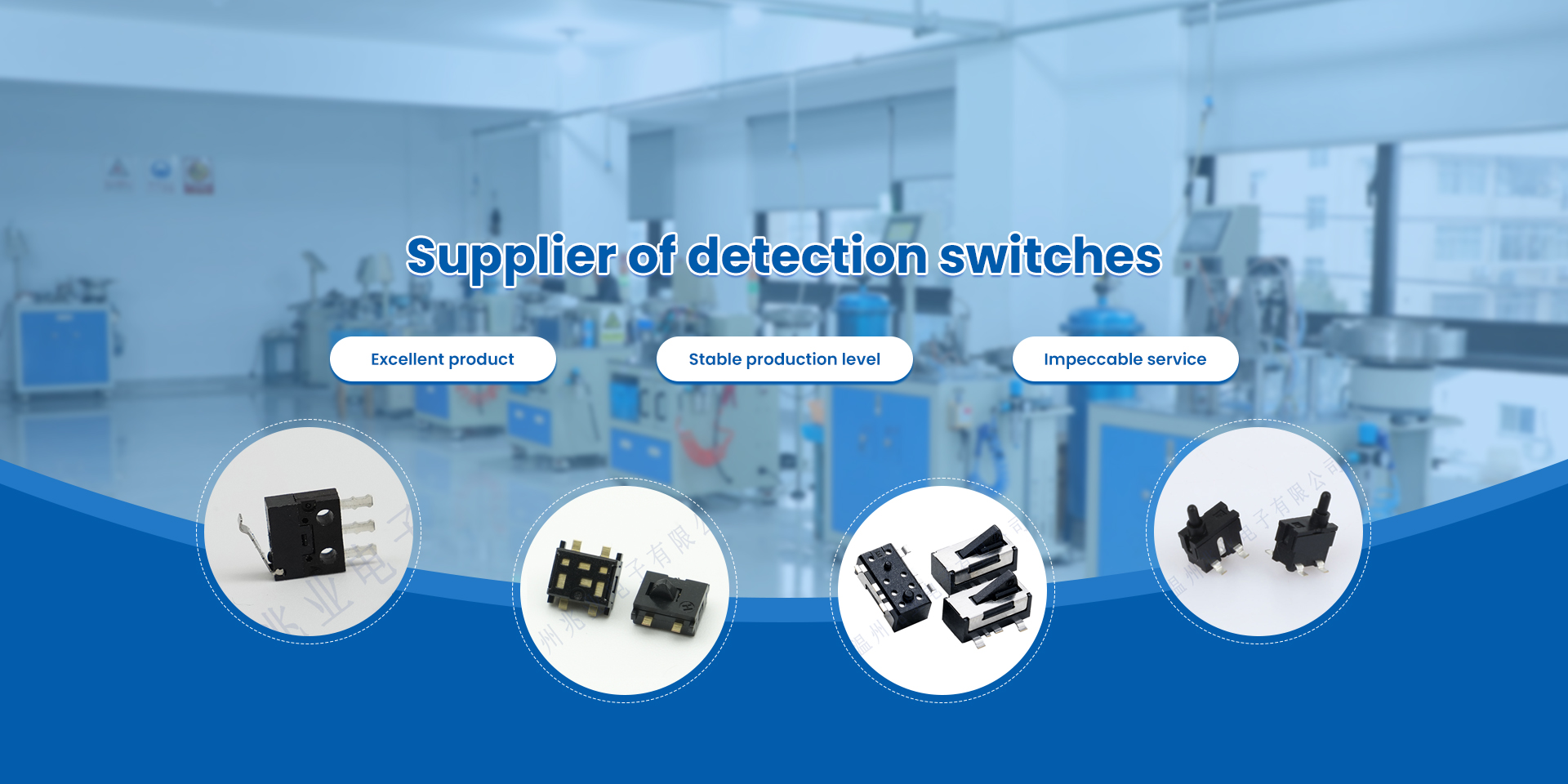
Once the layers are visible, each one can be priced and managed on its merits:
| Chain Layer | What It Contributes | What It Costs and When It Hurts |
|---|---|---|
| Raw material mill / compounder | Grade consistency, certification of input material | Invisible until a substitution ripples through; no contract with you means no notice to you |
| Component sub-suppliers | Specialised parts the assembler neither makes nor masters | Quality escapes with the supplier's name on the box and someone else's fault inside |
| The factory you contract with | Assembly, process control, the accountability you can claim against | The layer that owes you everything â and can only deliver what its own inputs allow |
| Outsourced processes | Heat treatment, coating, printing â capacity the factory rents by the job | Lead-time variance you were never told about; the queue you are in but cannot see |
| Freight and brokerage layers | Movement and clearance | Charges that compound on clocks nobody reset â the layers that bill for delay |
The map is built with questions, not suspicion: who casts or compounds the base material, which processes happen in-house, which are subcontracted, and what happens to your order when the subcontractor's queue is long. Competent suppliers answer precisely because they manage these layers daily; evasive answers usually mark the layer where the surprises live. Buyers who hold the map negotiate the real bottlenecks instead of the visible one, qualify second sources where the chain is thin, and stop being the last to know when anything upstream changes. The map is a one-page document with a review date â and it is the cheapest insurance the procurement file contains.
MOQ depends on the product and level of customization. Standard configurations typically start lower than private-label runs, which may require tooling or dedicated production. Ask the factory for a clear MOQ schedule by SKU.
A first order typically takes three to six weeks including sampling and approval, while repeat orders are usually shorter. Peak season can extend lead times, so plan ahead.
Order paid samples from at least two production batches, test them against your specification, and require a pre-shipment inspection before release. Documented inspection is more reliable than any sample alone.
Yes. Most manufacturers of detection switches and micro switches offer customization of size, colour, branding and packaging. Discuss the MOQ implications before committing.
At minimum, expect UL, CE, RoHS. The exact requirement depends on your destination market and the application.
Compare landed cost per unit of service life, not FOB price alone. Include freight, duty, defect rate and spare parts in the calculation.
A reliable manufacturer maintains a spare parts inventory and provides technical documentation and support. Confirm the terms in writing before ordering.
Begin with a trial order, measure performance honestly, and share feedback. Consistent ordering earns better pricing and priority.
Between the quotation and the container sits a fog of conversations â calls, chats, hallway agreements at trade fairs â and the fog is where programmes disagree with themselves later. The one-page confirmation is the cheapest fog-clearing device in procurement:
Three minutes to write, one page maximum: 'confirming our call today â we agreed X, Y and Z, deadline D, owner N. Reply if any of this is wrong.' Length kills the format; brevity is what gets confirmations read.
Sent the same day: a confirmation sent next week arrives as a memory test instead of a correction opportunity; same-day is what makes the receiver's silence mean agreement.
Silence is agreement, explicitly stated: the closing line does the work â 'if I hear nothing by Friday, we proceed on this basis.' Ambiguity about what silence means is the whole reason confirmations exist.
Filed against the order number: a confirmation that cannot be found during a dispute never happened; the file is the format's second half, and the worse-neglected one.
Used for the small things especially: packaging tweaks, finish changes, small date moves â the small verbal agreements are where the big claims are born.
Suppliers adapt to the habit within a month, and the better ones come to prefer it â a written record protects them from their own salespeople's enthusiasm as much as it protects you. The measurable effect appears at claim time: programmes with a confirmation file settle disputes in days against memories, because the argument was pre-empted in writing while both sides still agreed. The format costs three minutes per event; the claims it prevents are priced in the tens of hours. There is no cheaper administrative habit in trade, and none more consistently skipped by programmes that later describe themselves as unlucky.

The map is built from answers, and the questions are more useful when they are specific enough to be awkward. The sequence that works over two or three conversations:
Start with the process, not the company: 'walk me through how this is made, step by step' â the walkthrough names every station, and every station is either in-house or not; the distinction surfaces naturally instead of as an accusation.
Ask which steps are subcontracted, and to whom: a competent supplier answers with names and distances; the answer is normal in most industries and its absence is the signal, not the subcontracting itself.
Trace one material to its source: 'which mill supplies the base material, and can the certificate name it?' â one traced input exposes the documentation habits of the whole upstream.
Ask what happens when the sub-supplier fails: the contingency answer shows whether the chain is managed or merely inherited â managed chains have named alternates, inherited chains have surprises.
Visit one layer beyond your supplier where volume justifies it: the day spent at a critical sub-supplier usually explains three years of unexplained variance.
Record the map as a simple diagram in the supplier file, dated and updated at each annual review â chains drift, and last year's map has a way of quietly becoming fiction. Use the map where it counts: quality agreements that reach the critical layers, second sources qualified where the chain is thinnest, and escalation paths that name the layer actually responsible when something fails. Buyers who hold the map are never the last to know; buyers without one discover the chain's shape the way everyone does â from the failure that reveals it.
A supplier's financial condition is legible from outside, without a single confidential document. The checks, roughly in order of value:
Payment behaviour visible in the market: collection agencies, credit bureaus and even shared forwarder gossip carry payment-delay signals months before formal distress; two independent mentions of slow payment deserve a conversation.
Registered-capital and litigation searches: public registries show capital reductions, new liens and a rising docket of supplier-vs-supplier suits â the legal metabolism of a business under cash pressure.
Staffing signals: hiring freezes, the quiet loss of the engineers who answered your technical questions, key salespeople departing â the people who leave first are the ones who saw the numbers.
Quotation and term drift: suddenly aggressive discounts, requests for larger deposits, shorter quotation validity, reluctance to hold prices â a business buying cash flow today with margin tomorrow.
Operational shortcuts: longer quote turnaround, thinner samples, changed phone numbers, unreturned visits â distress spends first on the things that are hardest to see.
The response to weak signals is not panic but exposure management: shrink the deposit percentage, shorten the order cycle, take delivery of tooling records, and accelerate the second-source work you should have been doing anyway. The response to strong signals is a pre-planned exit â the transition checklist written while the supplier still cooperates, because the exit conducted calmly is a fraction of the one conducted under deadline. Financial monitoring is a quarterly fifteen-minute routine, not a crisis activity; the programmes that treat it as routine are never surprised by an event they could have watched arriving.
Most procurement surprises are old information that nobody looked at in time. The monthly review is the standing half-hour that converts accumulating data into early warnings â short, agenda-bound, and ruthless about scope:
Five numbers, always the same five: orders in flight, on-time-in-full, open quality items, spend versus budget, and forecast movement. Novel metrics are interesting; constant metrics are comparable.
Exceptions only: anything green is noted in one line and left alone; the meeting lives on the reds and the trend breaks â the discipline that keeps thirty minutes from becoming an afternoon.
One decision minimum: every review must change something â an order expedited, an escalation opened, a forecast revised. Reviews that end with 'keep watching' three months running have stopped being reviews.
Written in ten lines: the decisions, owners and dates, filed with the programme records; the note is what makes the review a system instead of a ritual.
Calendar-protected: the review that moves for everything urgent is the review that guarantees everything will eventually be urgent.
The review's compounding effect is pattern recognition: twelve months of notes turn vague unease into named trajectories â the supplier whose lead times drift each quarter, the defect class that reappears each summer, the budget line that always overshoots in the same month. None of these is visible in any single month; all of them are visible in the file. Thirty minutes a month is the cheapest early-warning system procurement owns, and the one that most programmes replace with an annual retrospective explaining what the monthly reviews would have caught.
Every buyer has a price history; few have a price book. The difference is normalisation â costs adjusted so that like compares with like across years, quantities and specification changes. The book is one table per product:
| Column | What It Holds | Why It Matters at Negotiation Time |
|---|---|---|
| Period and PO reference | Date and order linkage | Turns the table from folklore into evidence with receipts |
| Normalised unit price | Price adjusted to today's specification and volume basis | The comparable number â raw prices lie quietly whenever scope changed |
| Input-cost context | Raw material index, freight rate, currency at the time | Separates 'the market moved' from 'the quote moved' â the question every negotiation turns on |
| Scope notes | What the price included: inspection, packaging, terms | The footnote that ends the 'it used to be cheaper' argument honestly, both directions |
| Movement and reason | Change versus prior entry and its driver | The trend line that reveals whether your costs are managed or merely experienced |
Maintained quarterly, the book changes the texture of price discussions: requests for increases meet a documented context instead of a shrug, and genuine input movements get indexed rather than argued, because the history shows you have always been fair about market-driven changes. The book also disciplines your own memory â buyers systematically remember old prices as lower than they were, and suppliers know it. An afternoon of setup and fifteen minutes a quarter is the entire cost; the instrument it buys is the difference between negotiating with data and negotiating with anecdotes, and everyone in the room can tell which is which.

Procurement budgets are usually written as if reality were contractual. It is not, and the claims reserve is the honest acknowledgement: a named allocation for the damage, delay and dispute that every programme experiences statistically if not predictably. Setting it up:
Size it from your own history, not from hope: the last two years of claims, chargebacks and expedites as a percentage of programme spend â your number, not an industry folklore number.
Ring-fence it mentally if not financially: the reserve is not slack to be spent on nice-to-haves; it exists so that the bad month does not cascade into cuts that cause the next bad month.
Log every draw-down with its cause: the reserve's ledger is the programme's true risk profile â where the money actually goes teaches more than any risk register workshop.
Review the sizing annually: a reserve that never draws is capital parked; one that always exhausts is a budget in denial â both readings adjust the number and, more importantly, the behaviour.
Let it fund prevention when patterns repeat: the reserve's best use is the year it shrinks because its ledger identified a recurring cause worth fixing at the source.
The reserve's psychological value matches its financial one: buyers with a reserve decide calmly during incidents, because the money question is pre-answered; buyers without one make their worst decisions under invoice-shaped pressure. Finance departments, once shown two years of actual claims data, typically approve the line eagerly â it converts their unquantified exposure into a managed number. The reserve does not attract misfortune; it only attracts honesty about how often fortune misbehaves, which is the first prerequisite for reducing it.
Six to nine months before you might need them, which in practice means: start when the primary relationship is healthy, not when it wobbles. Qualification â samples, trial order, first-volume order â takes two to four production cycles, and doing it under deadline pressure produces exactly the hasty evaluation it is meant to prevent. A backup qualified early also disciplines the primary invisibly: nothing improves supplier responsiveness like the buyer who demonstrably has somewhere else to go.
You can ask; a serious supplier will usually decline, and both positions are reasonable. Exclusivity costs the supplier their other customers, so pricing it requires proof your volume justifies the sacrifice â which is why the sane sequence runs the other way: prove the volume first, then negotiate the right, on defined territory, defined term and defined performance conditions. Exclusivity granted early is either priced into your unit cost or quietly hollowed out with side sales; both outcomes cost more than patience would have.
Not fully â but something should sit in its place. For unchanged products on unchanged tooling, a condensed verification (key dimensions, material certificate, appearance against the approved reference) confirms the process has not drifted, at a tenth of the cost. A full re-inspection belongs wherever the inputs change: new tooling, new material source, new factory, or after any long production gap. The principle is that the first article approves a process, not a product â so the re-check follows the process's risk of change, not the calendar.
Both sides keep their half, for years: the exporter retains the production and material back-up supporting the certificate, and the importer retains the claim documents and their copy of the certificate â typically five years, per the agreement and local customs law. The retention is not archival sentiment; preferential claims are audited retrospectively, and the audit arrives as a records request with a deadline. A qualification file per product, updated per shipment and stored where someone can find it in an afternoon, is the entire requirement.
Split it by consequence, not by difficulty: in-house what affects daily output â cleaning, lubrication, minor faults, the quick response that prevents a shift's loss â and contract what needs depth â annual overhauls, calibration, safety-system work. The in-house layer needs training and a parts minimum-stock; the contracted layer needs a response-time commitment and your maintenance log shared, because a service partner who sees only the breakdown sees half the machine. The expensive mistake is full outsourcing of the daily layer, which buys slow responses to small problems and lets small problems grow into contracted ones.
If you are sourcing detection switches and micro switches for distribution, OEM production or a project, 温å·å ä¸çµåæéå ¬å¸ (www.zhaoyeswitch.com) would be glad to share our experience and provide samples. Visit www.zhaoyeswitch.com to explore the catalogue, request a quotation, and discuss customization for your market.
Diese Website verwendet Cookies, um sicherzustellen, dass Sie das beste Erlebnis auf unserer Website erhalten.
 English
 日本語
日本語 한국어
한국어 Tiếng Việt



 Telefon
Kommentar
(0)